sehyeonjin.com

Kiddiez

Service Design

Project Overview

Task Tracker App to Help Kids Stay on Tasks

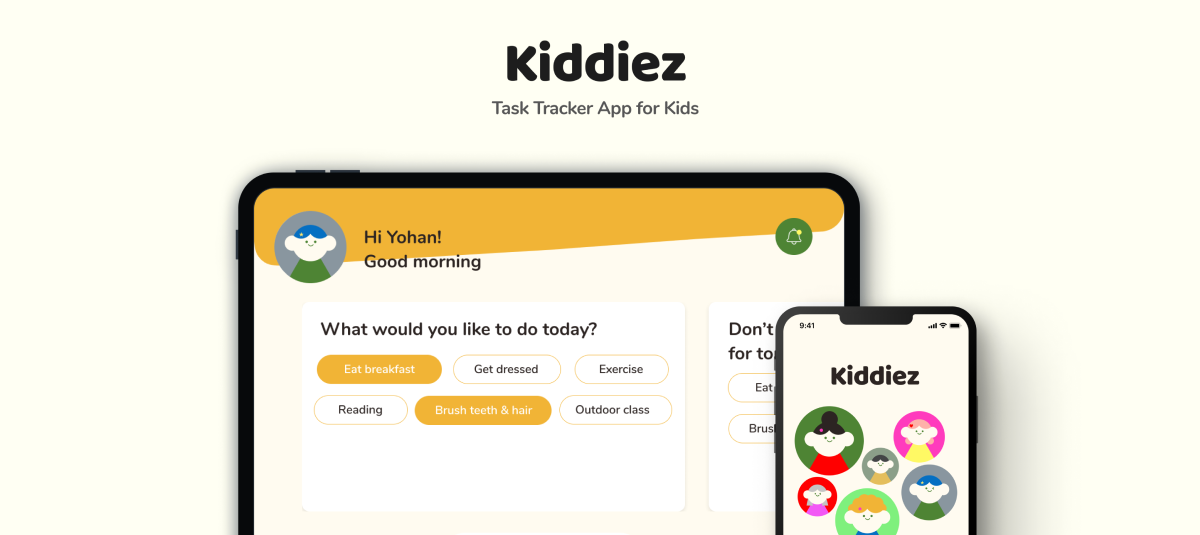
Kiddiez is a service design project for kids who tend to be hyperactive and impulsive. This app is a solution that provides kids with a playground to track daily tasks easily and make some tasks on their own.

Project

Team Project

My Role

UX/UI Designer,
UX Researcher

Duration

1 month

Tools

Figma, Miro, After Effect

Objective

How might we support kids (6 to 11 years) to keep their own routine and have a regular lifestyle habits at school and home.

Solution

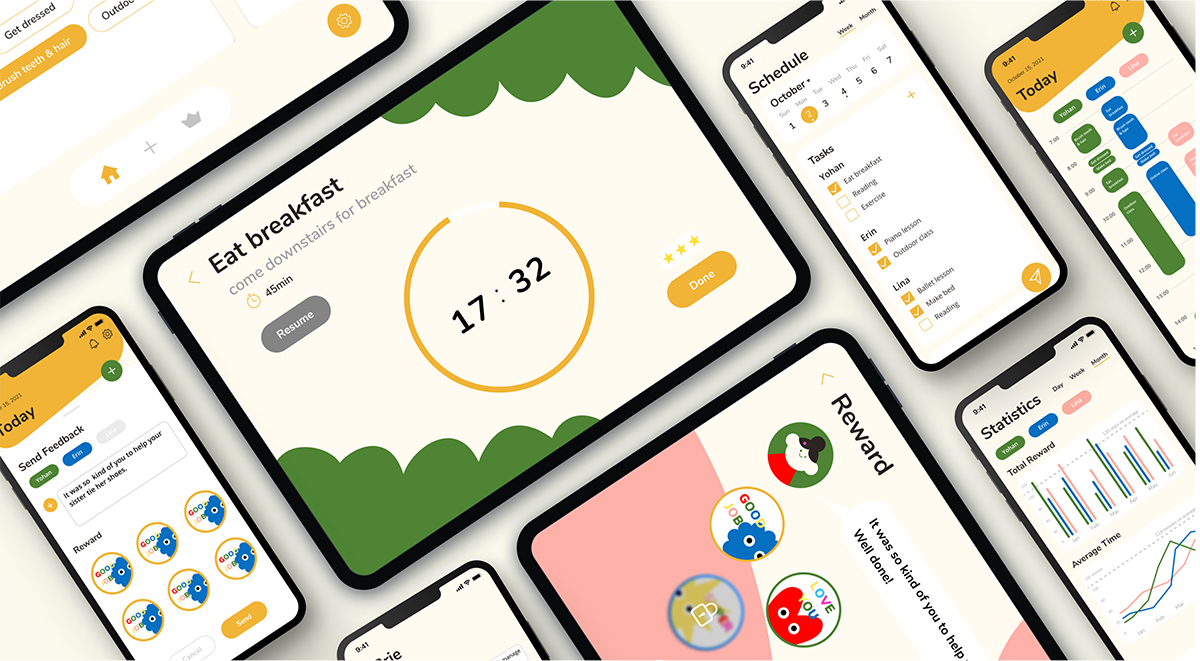
Kiddiez – a task tracker service that allows children to manage their own tasks and routine and parents to keep track of their child’s schedule.

Key Features

  • For Children

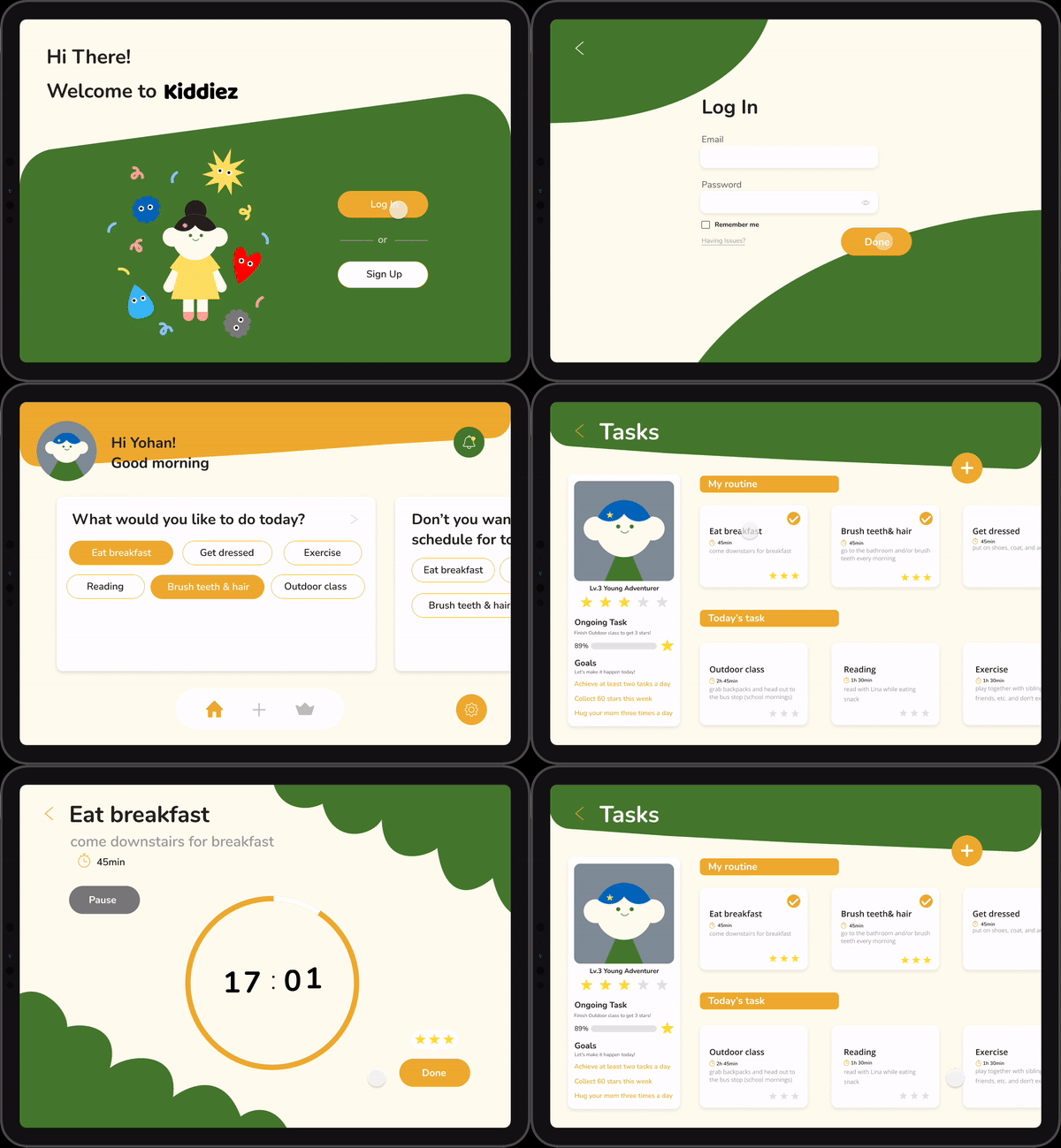
Goal-directed Task Tracker with Gamification

Yohan isn’t able to stick to routine even though he know what should he do today. He also doesn’t have any goals to follow.

Almost every child enjoys playing video games far more than doing a homework. The most important part of our service is to make kids stick to their routine and follow their goals with joy to live a happy life. We visualized all tasks to be done easily and make them check their own schedules immediately.

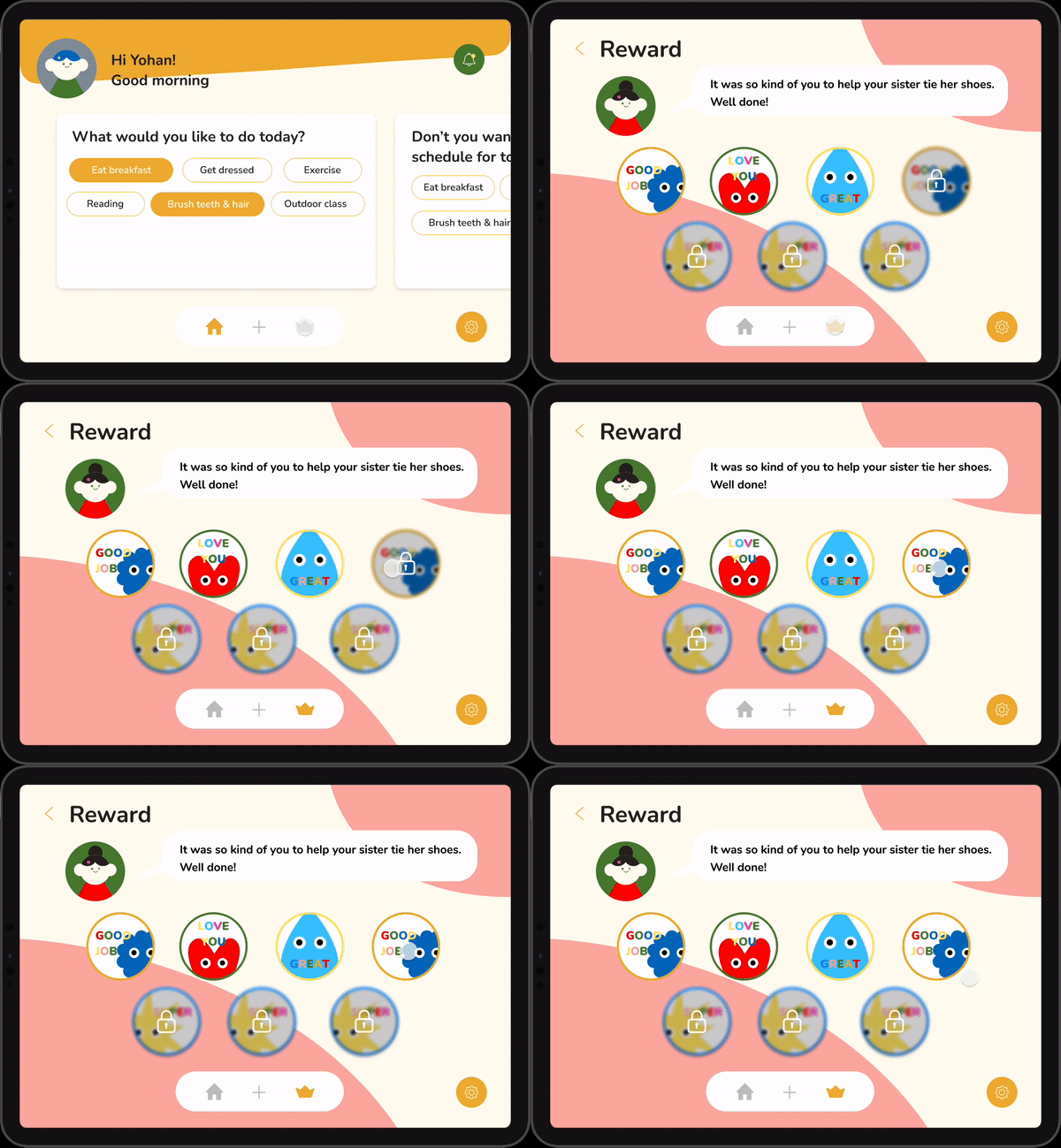
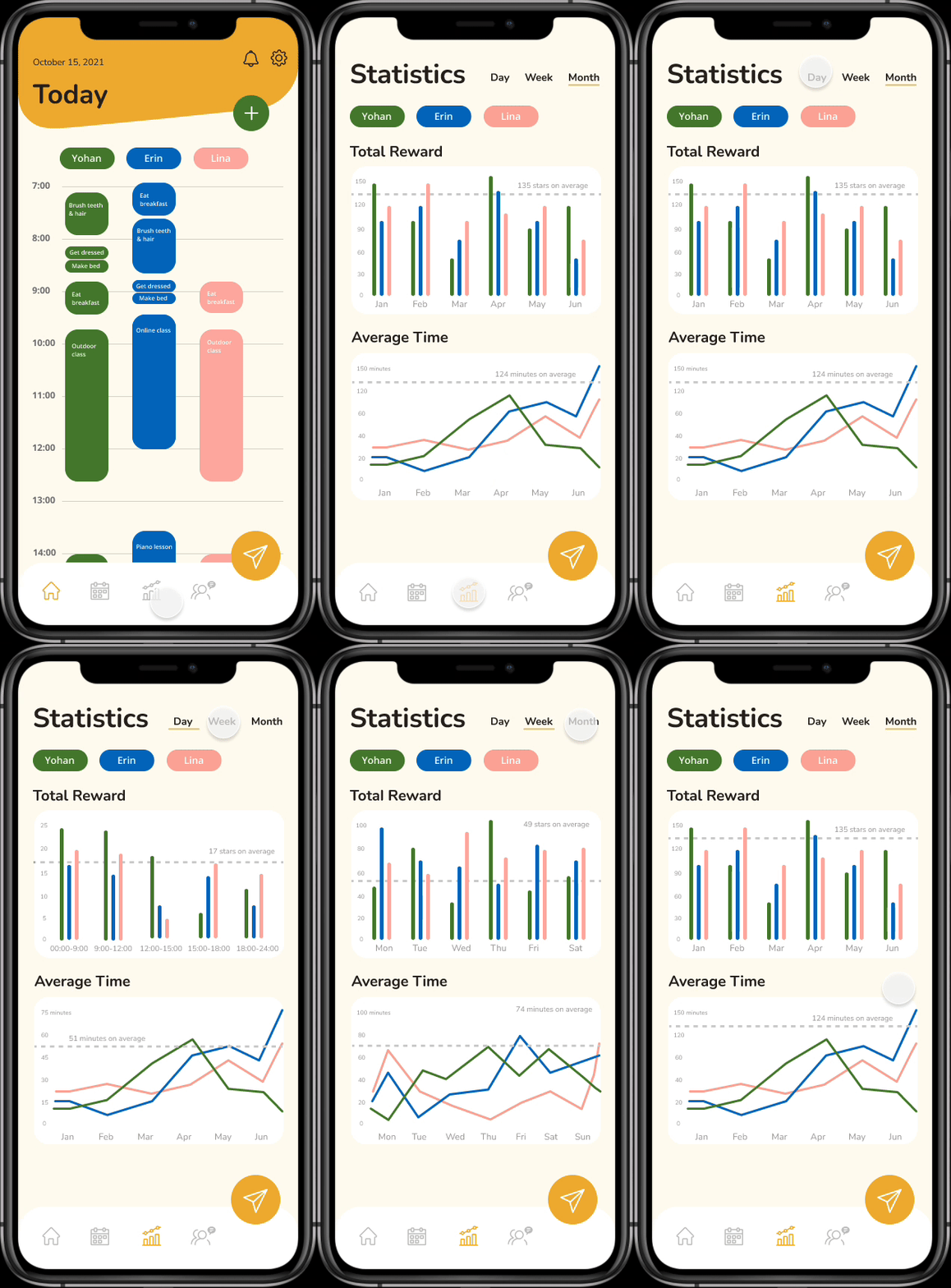
Rewards to Give Motivation

Yohan always tries to follow his routine and do something, but easily gets distracted and loses his motivation.

Motivation is a force that keeps kids going even when they face a difficult task. If children are done with a certain amount of tasks, they will get rewards on this app.

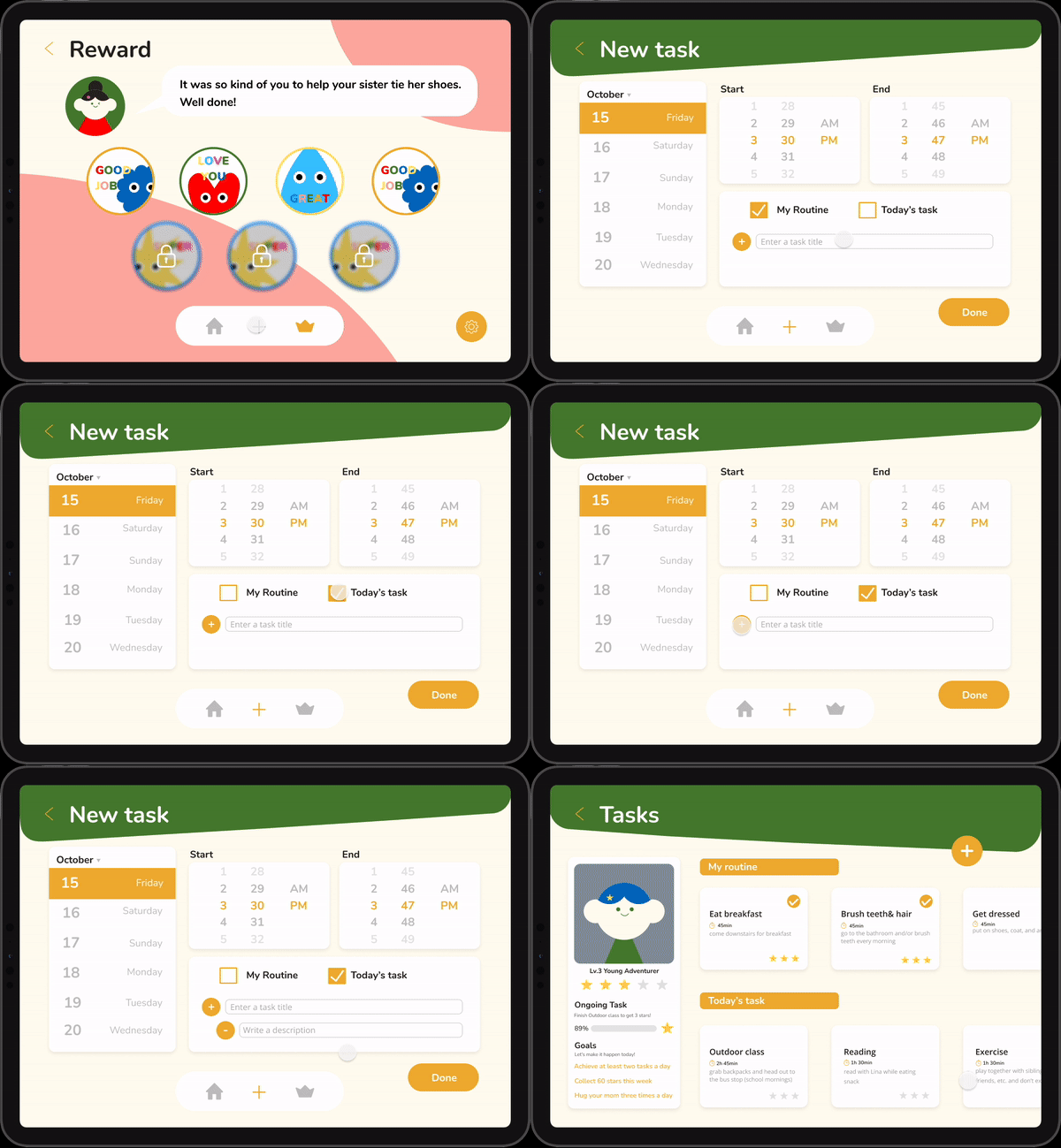
Create Task Yourself

His mom always put a routine on him and gives him some tasks to do but sometimes he wants to make his own routine.

It’s important to make children to build their own routine even though parents tend to give kids some tasks to do in most cases. Children can make their own routine whatever they need through this app so that they would Improve self-control and build good habits.

  • For Parents

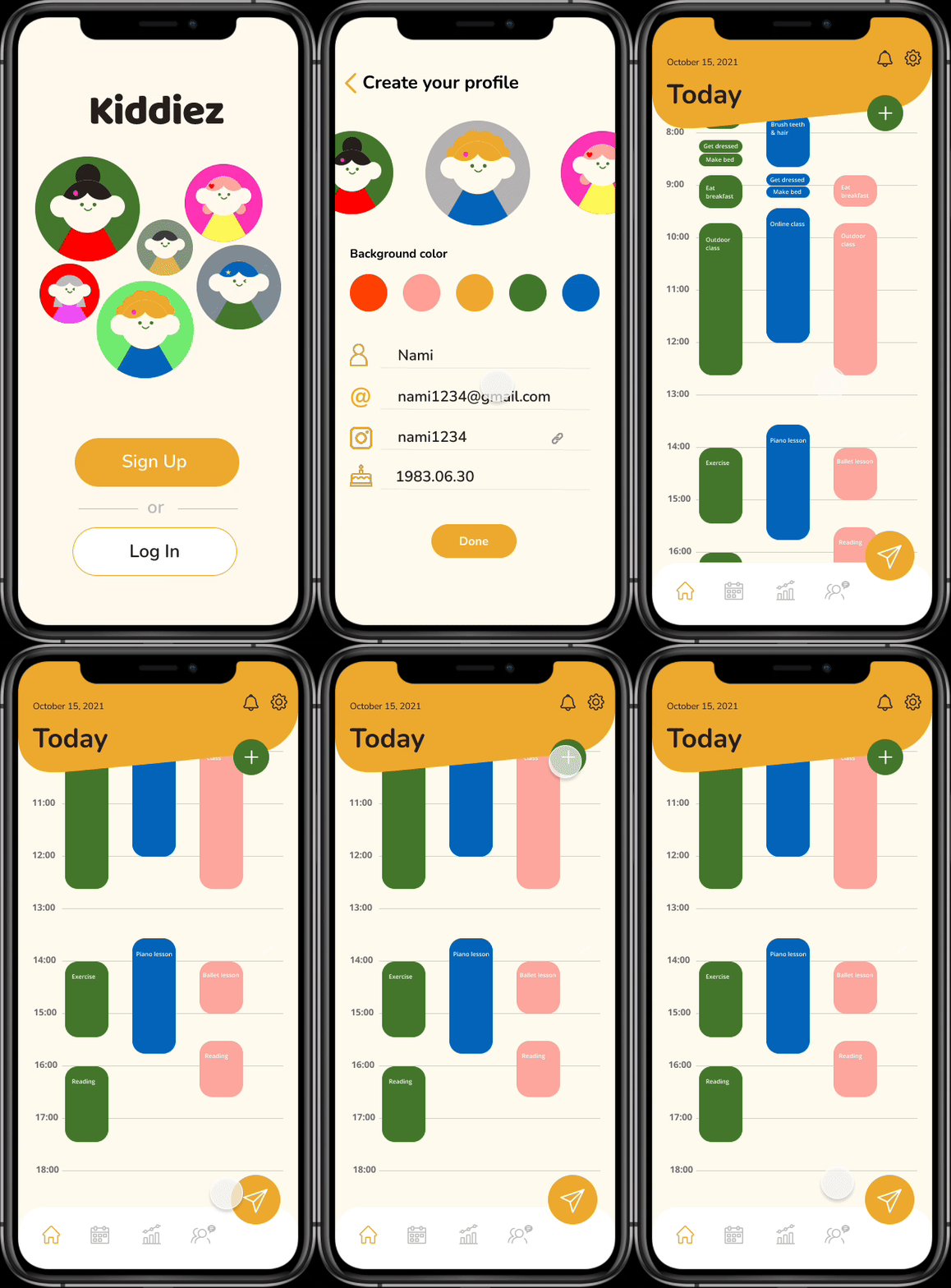
Track Children’s Tasks and Give Feedback

Nami, Yohan’s mom, works as a nurse. She always wants to know what her son does during office hours and praise him.

Working parents cannot monitor their children during office hours. This service gives them to track their children’s behavior and send a feedback easily. If you also want to give your children more tasks, you can add tasks that your kids should do immediately.

Analyze Children’s Routine

She wants to evaluate her son’s entire routine and improve it but doesn’t have much time to analyze his behaviors and task results.

For good parenting, parents would want to evaluate their children’s routine and give what their kids should do next. We offers them some statistics of children’s routine.

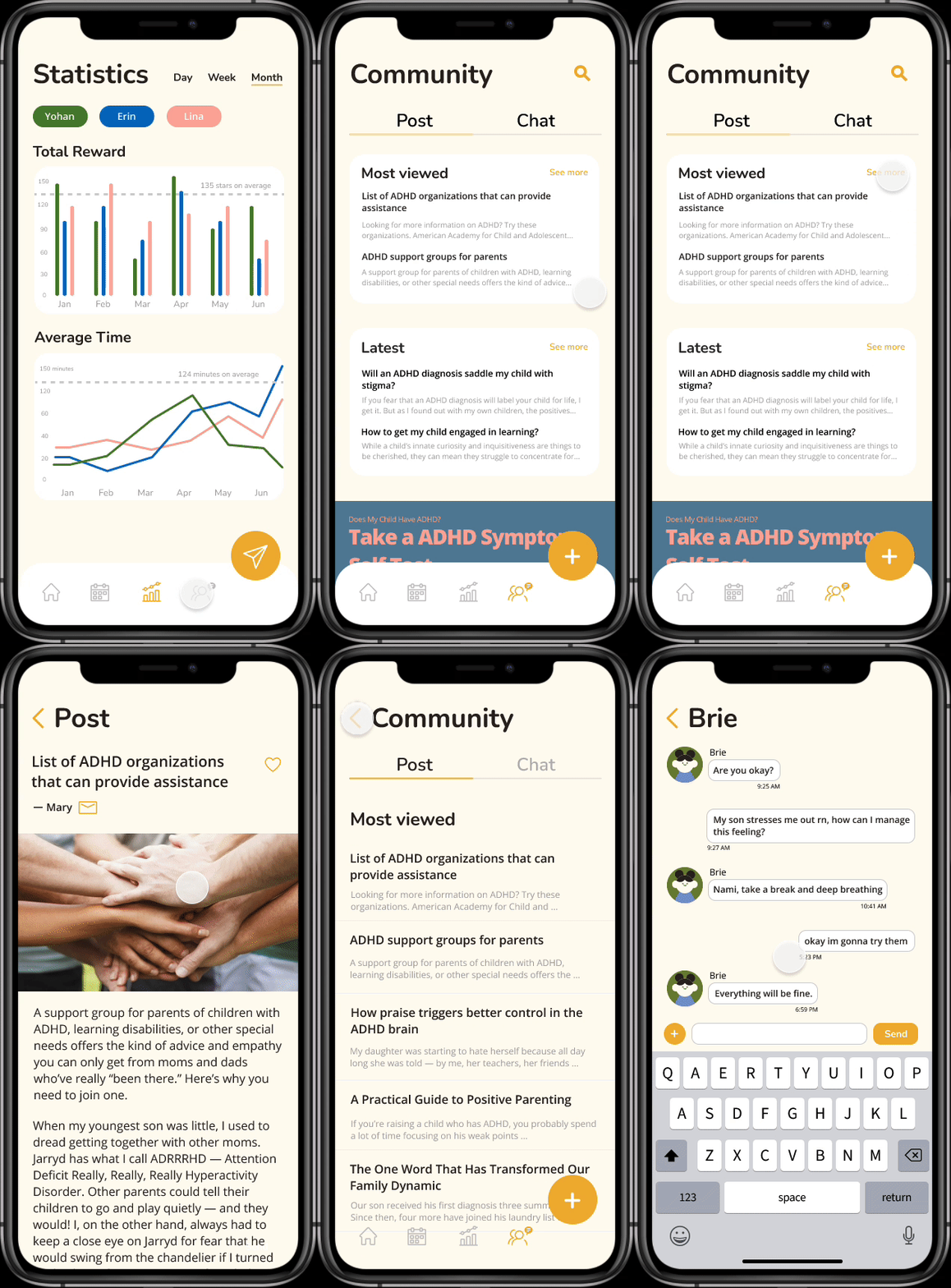
ADHD Community for Parents

She needs some advices in ADHD from other parents but doesn’t know how to get them.

This service offers an ADHD community to connect with other ADHD parents and share ideas and knowledge. Users also can chat with other users to get some advices.

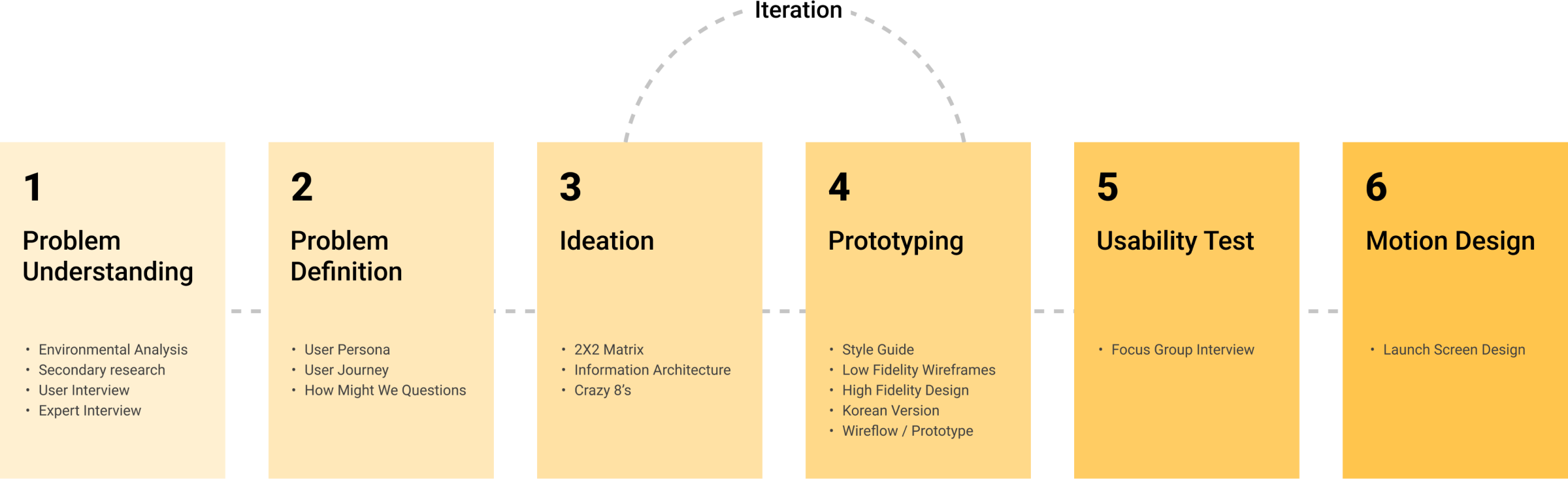
Project Process

Problem Research

Understanding The Problem

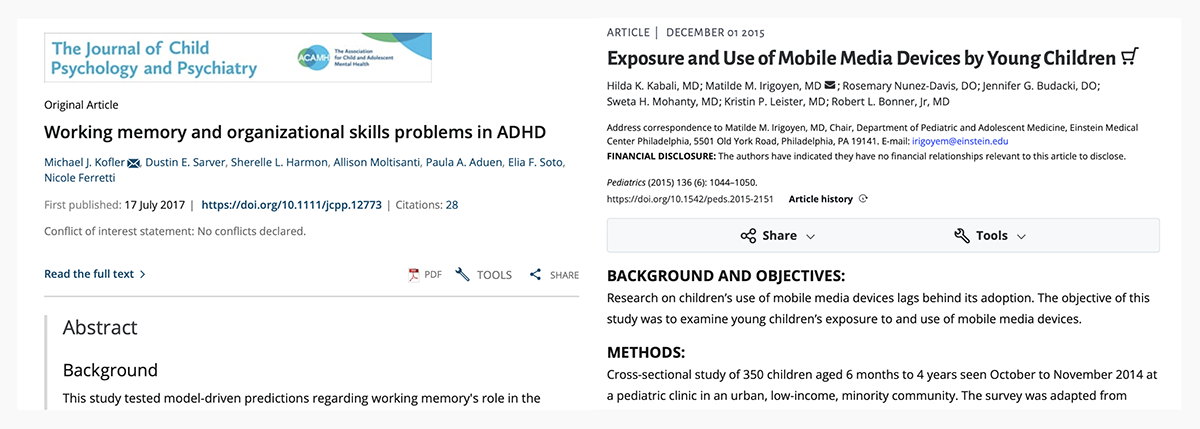
Few months ago, we read an article about difficulties of managing time written by someone with ADHD. He was diagnosed with ADHD as a child and just wanted to create a consistent and structured routine which could make his everyday life easier.

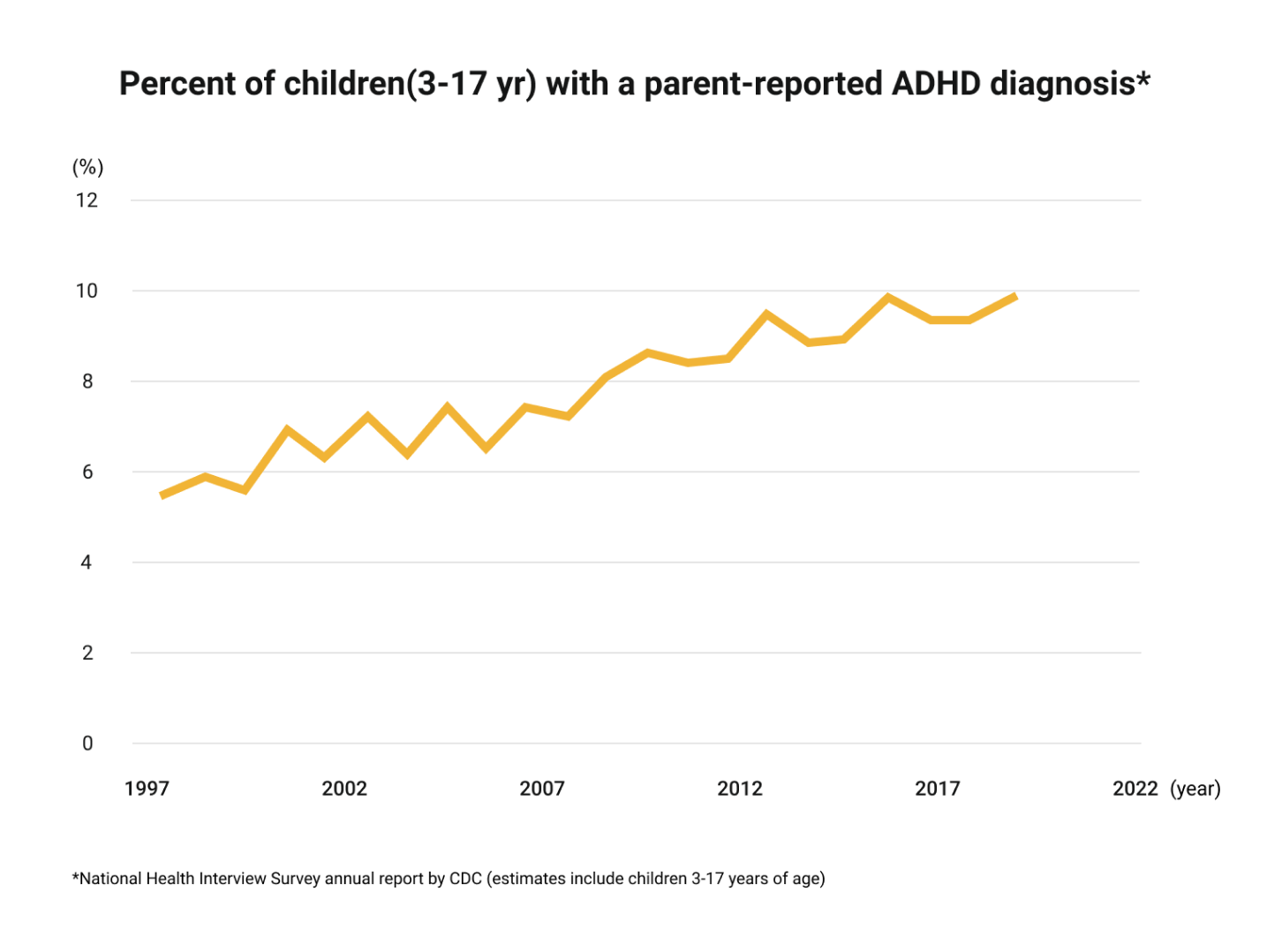
About 9.8 percent of children aged three to seventeen years are estimated to have been diagnosed with ADHD. ADHD is one of the most common neurodevelopmenal disorders of childhood and often last into adulthood.

How can we support kids with hyperactivity and impulsivity to keep their own routine and make them less stressful.

Secondary research

After some broad preliminary secondary research about ADHD in children, we just found that children with ADHD need a routine because it’s difficult for these children to consistently anticipate, plan, enact and maintain goal-directed actions due to impaired working memory in ADHD. Furthermore, most children with or without ADHD struggle to organize and manage their time effectively. We can infer parents should make sure that their children with ADHD follow their own routine and even children without ADHD also need some time management help with a positive feedback.

We would like to know which device is the most common to children and figured out tablet was the most prevalent device to them in the United States. Up to 75% of young children have their own tablets and 70% of families with children under 12 say that their kids use tablets. Therefore, we decided to make a tablet app for kids and a mobile app for parents. The full research is here.

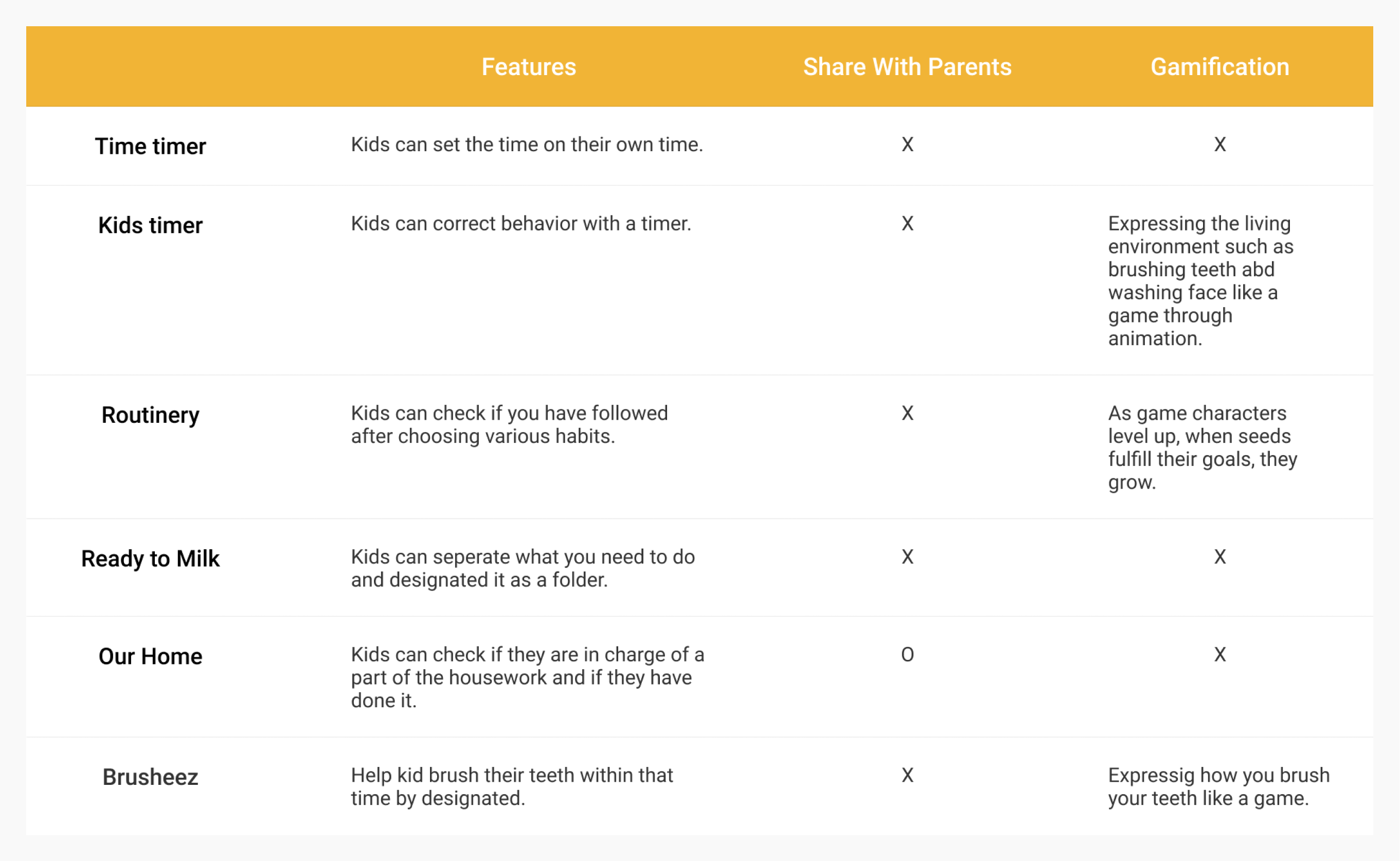
Competitor Analysis

To understand similar products on the time-management apps for kids, we have compared with the diverse application.

User Research

Expert Interview

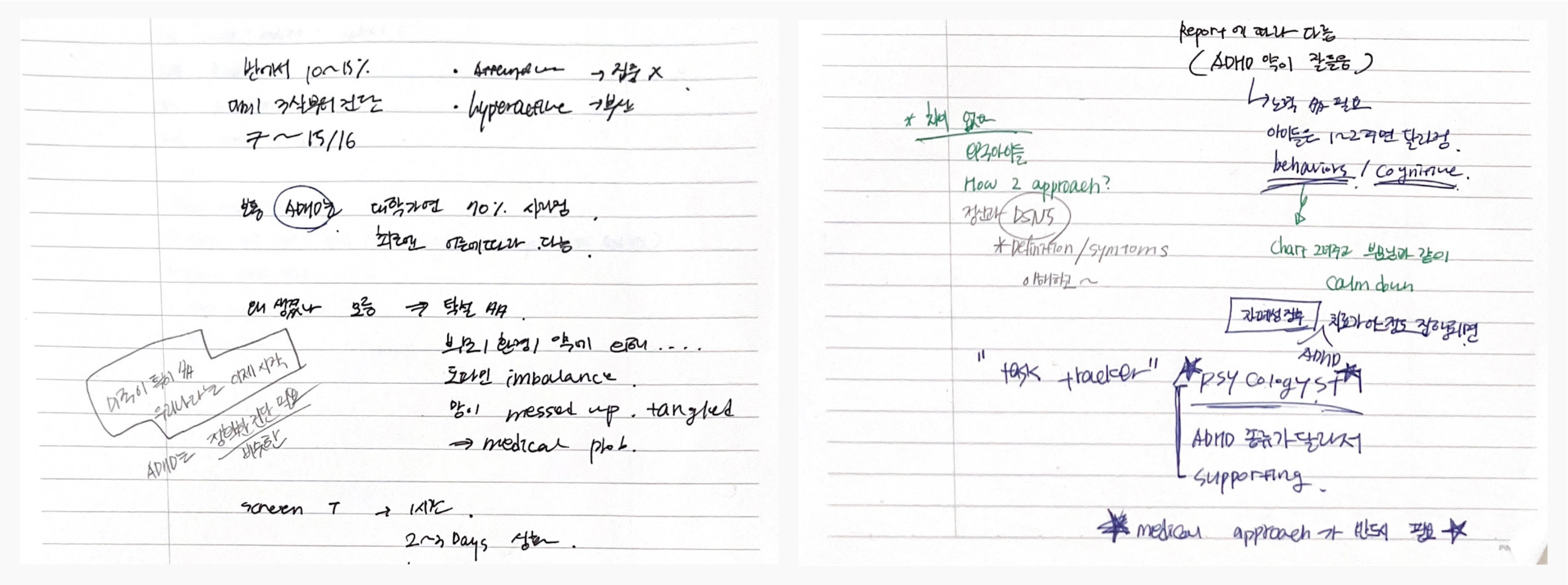
Prior to user interview, we contacted to a psychiatrist in the United States and had a phone interview with her. From the interview, we can deduce that ADHD should be treated in childhood and there’s no difference of nationality or race in ADHD. We also figured out time management skills would be helpful to children with ADHD to live their own life.

User Interview

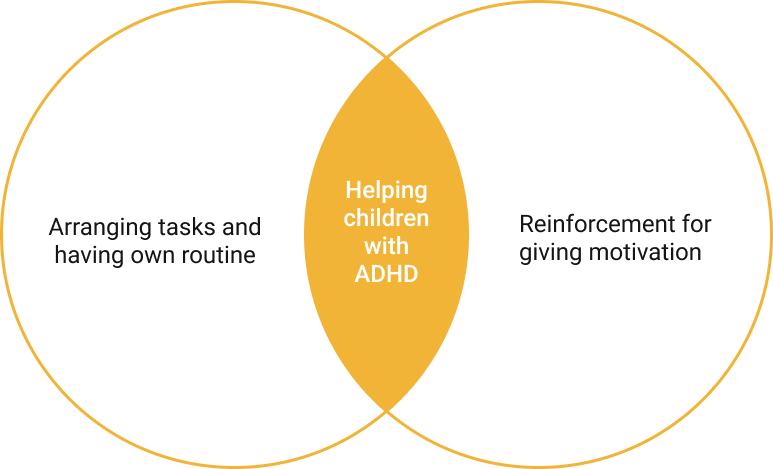
We analyzed problems and needs about our product through interviews with a kid with ADHD and his mom in person. The kid had both ADHD and autism. From these interviews, we found that children with ADHD didn’t stick to the tasks well and spend quality time with friends. We can also infer that giving a motivation through positive reinforcement may help children with ADHD display good behavior. You can read the full interview here.
Insights

  • Children with or without ADHD need routine.
  • Task tracking and having structured routine would help children with ADHD live their own life.
  • Positive reinforcement and reward would give motivation to children.
  • Parents want to monitor their children’s behavior and routine.
  • It’s hard to find good ADHD information to parents.
  • Most of children use tablet devices.

Defining the Problem

Problems

  • Children have trouble with time management and sticking to their own routine at school and home
  • Working parents are hard to keep on track of their children’s routine and find ADHD information

Solutions

  • Offering a fun task tracker to children
  • Motivating children to do task and stick to their own routine through rewards and positive feedback by parents
  • Offering a real time task tracker and online ADHD community to parents

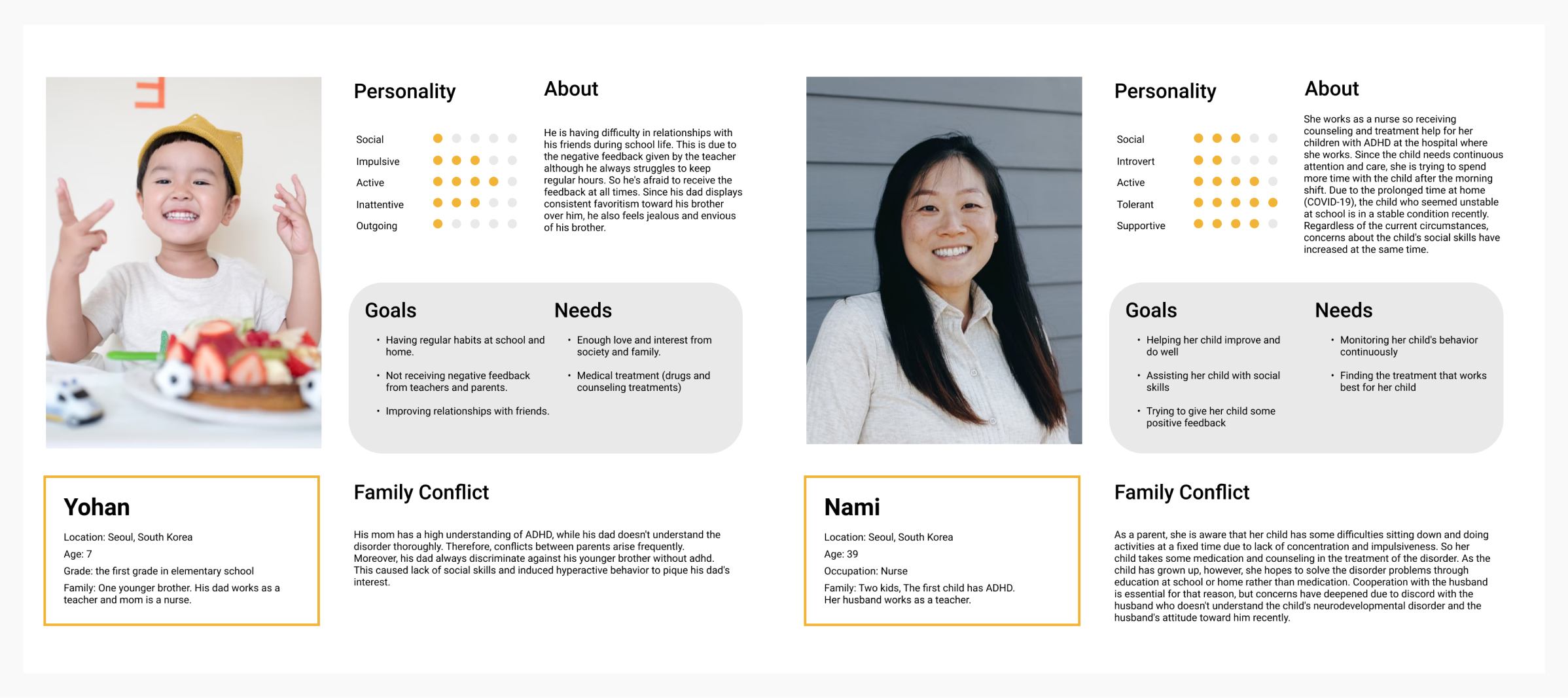
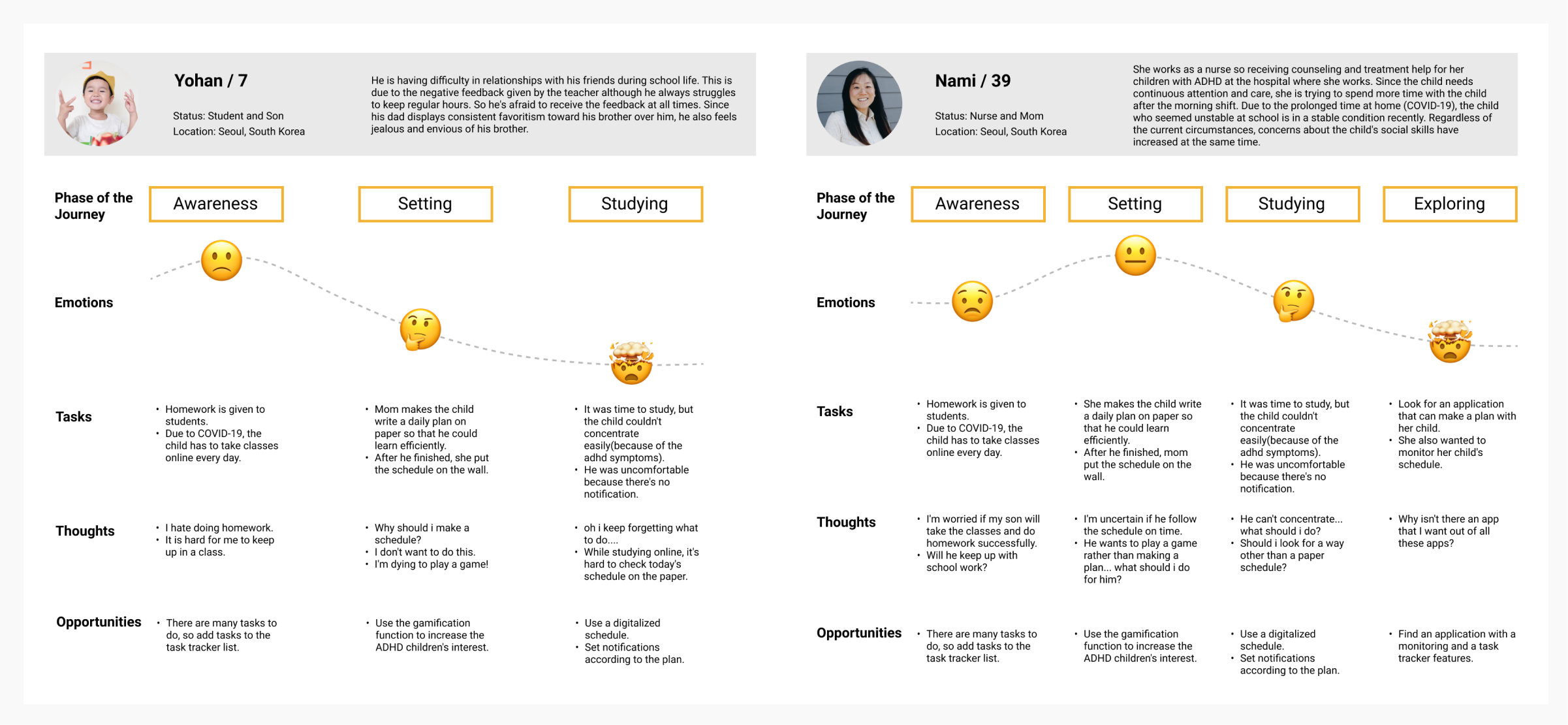
User Persona

The main target are children in six to eleven years old and their working parents especially. We created these personas based on the user interview.

User Journey

Journey Map are created according to two personas into three to four stages and analyze their emotions, thoughts and opportunities.

How might we help ADHD kids have regular lifestyle habits at school and home, receiving positive feedback and improving friendship?
And how might we support parents helping ADHD children to improve and do well?

Ideation

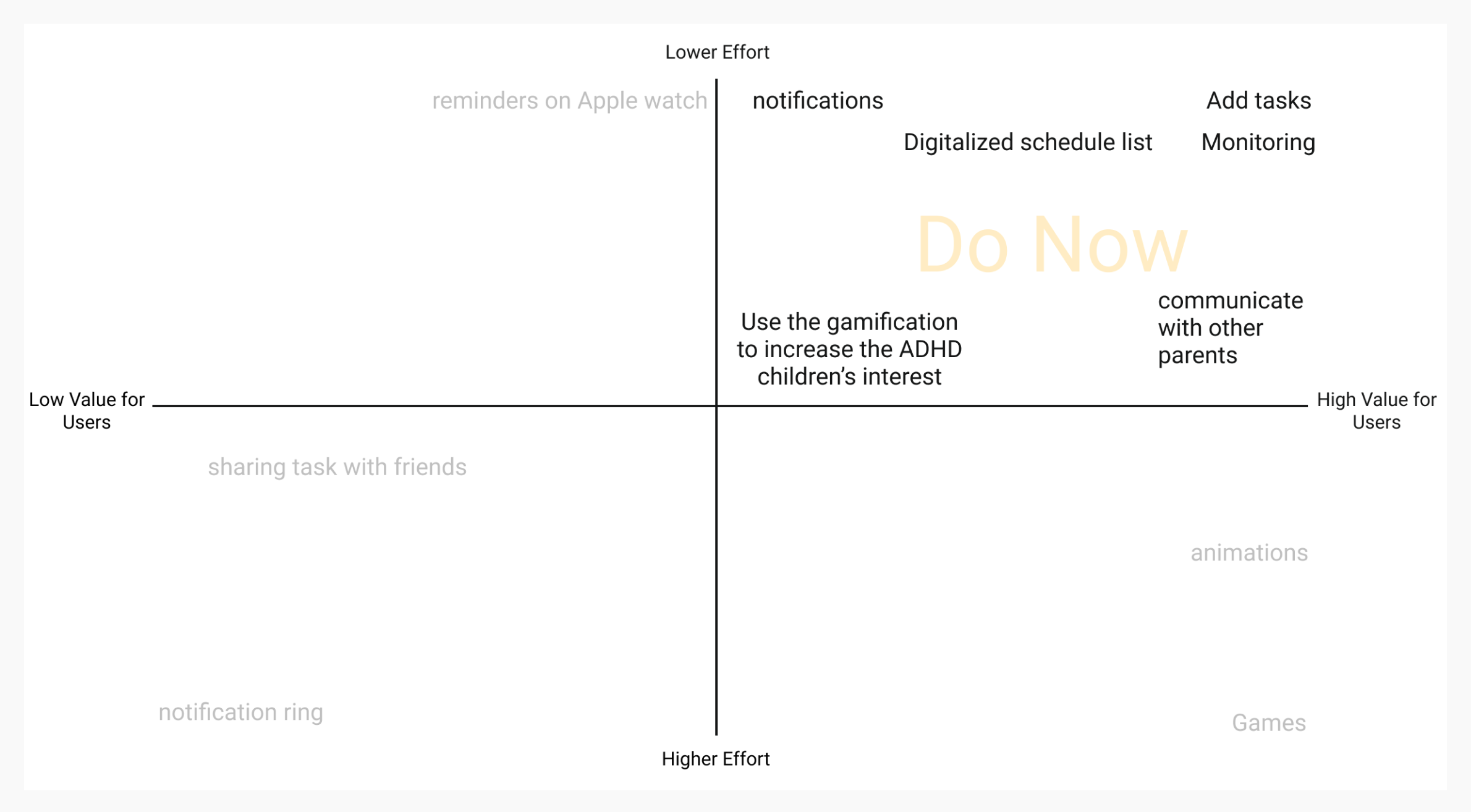
2X2 Matrix

We used 2X2 Matrix to be more systematic about the decisions we make. From this result, we decided to add some features like monitoring and task tracker features which seemed to be important and urgent to our app.

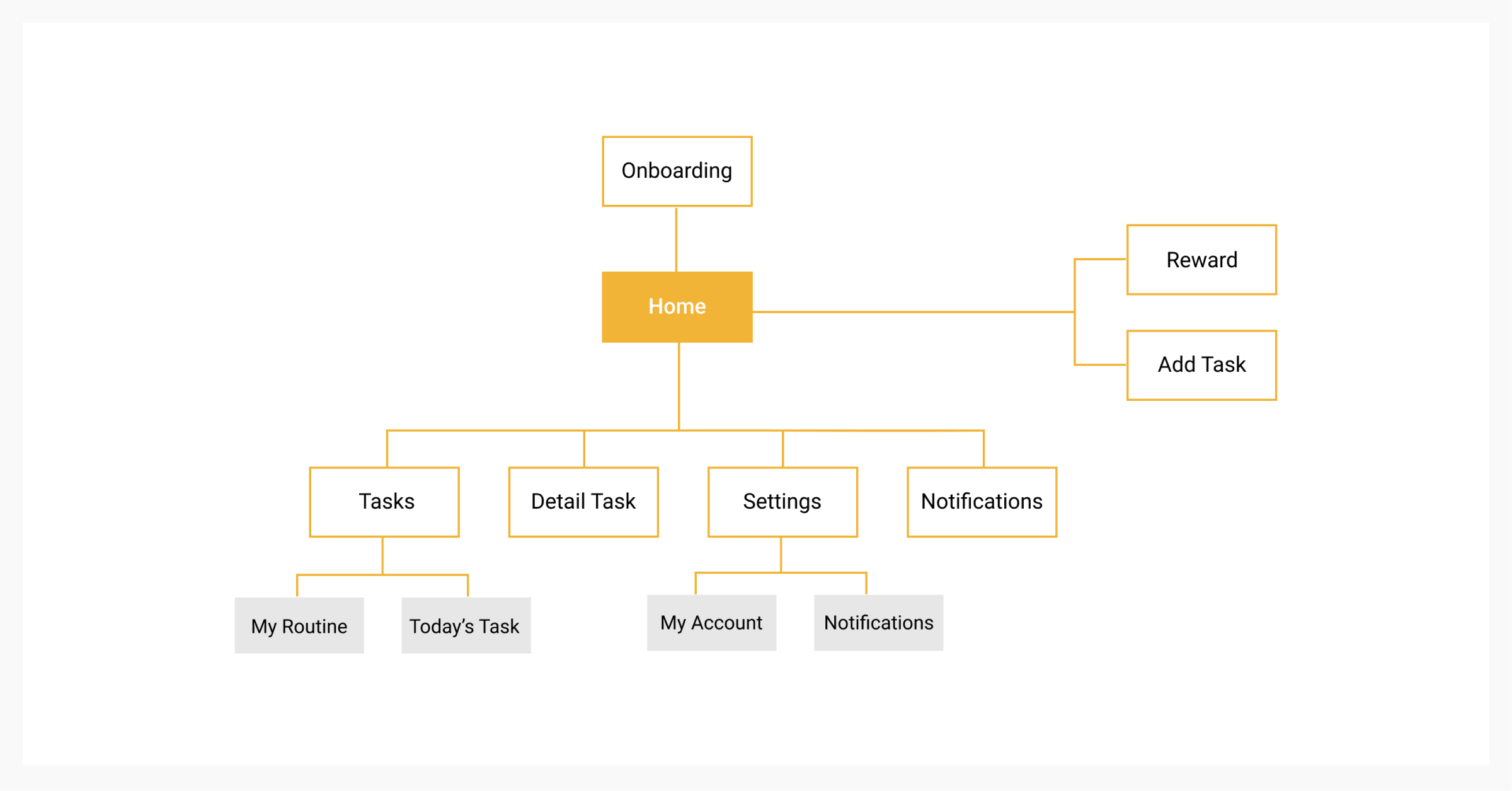
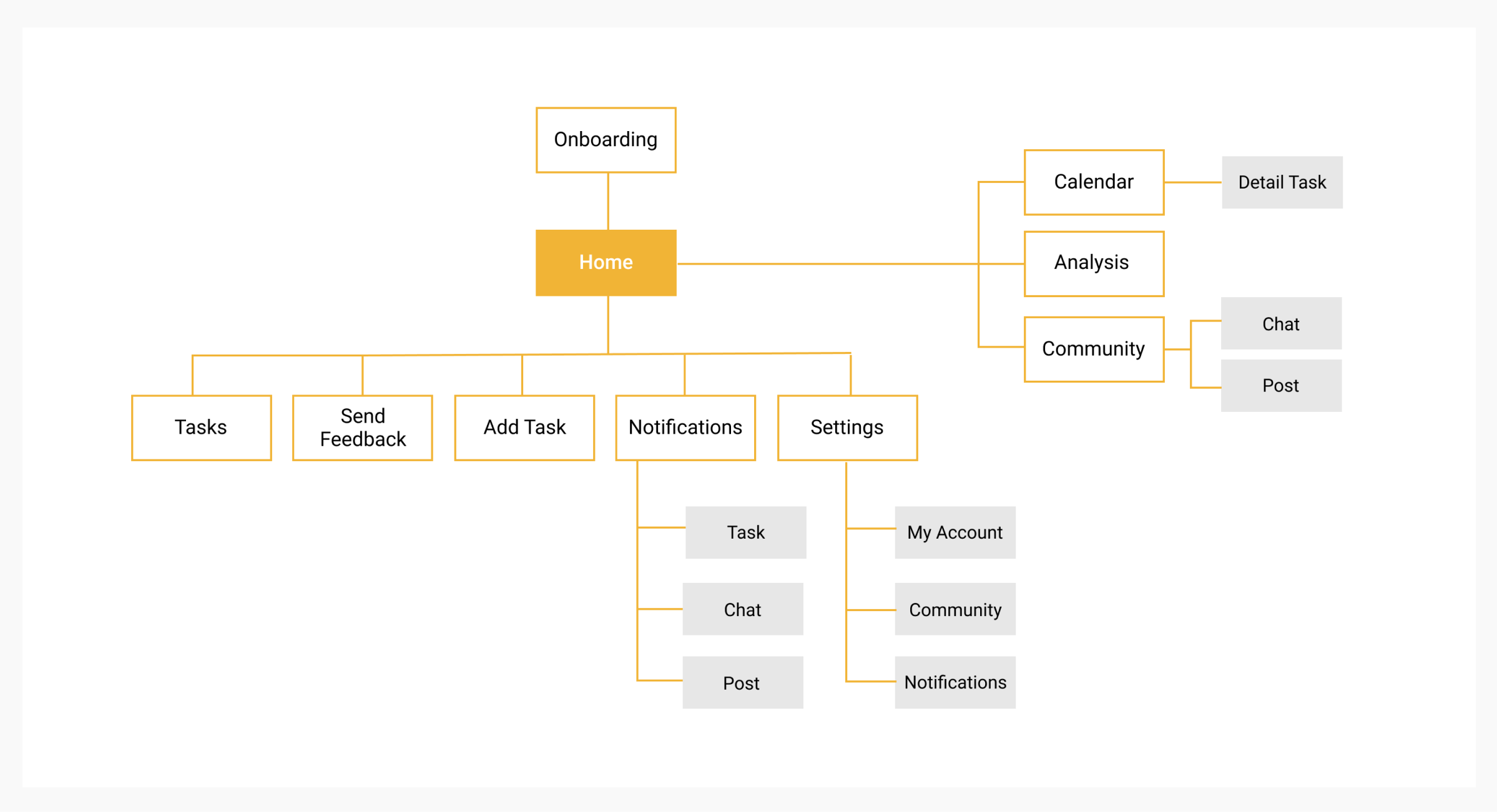
Information Architecture

  • For Kids
  • For Parents

Sketches: Crazy 8’s

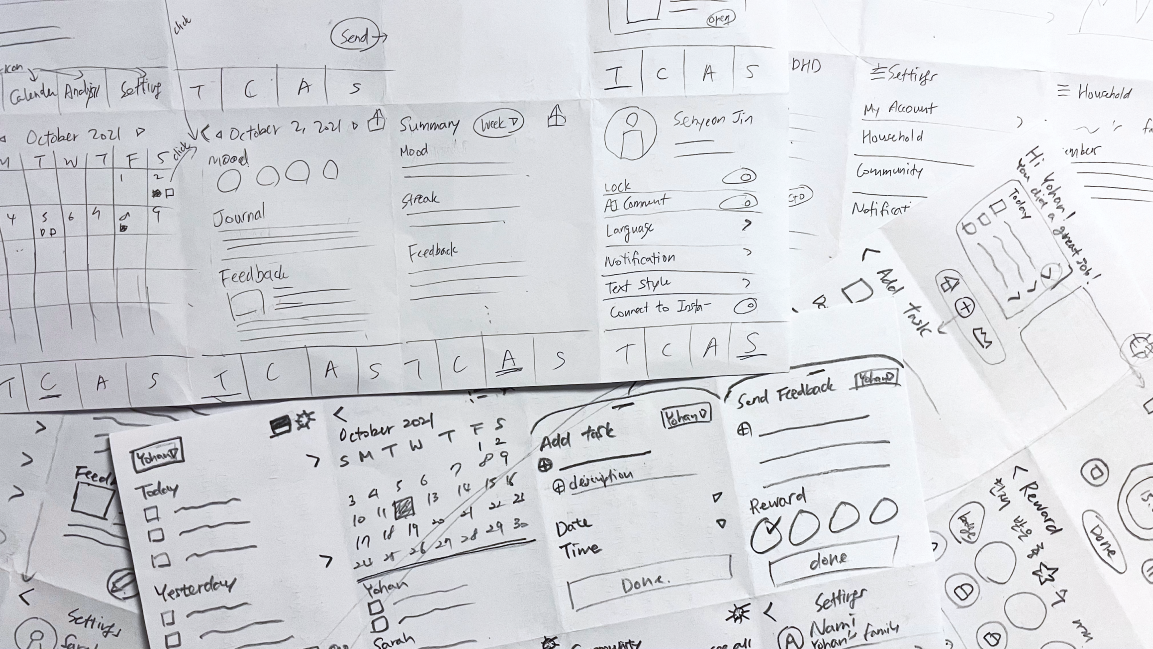
We sketched out our app screens and components fast to make a good decision in design. Through this process, we found a variety of solutions.

Development

Low Fidelity Wireframes

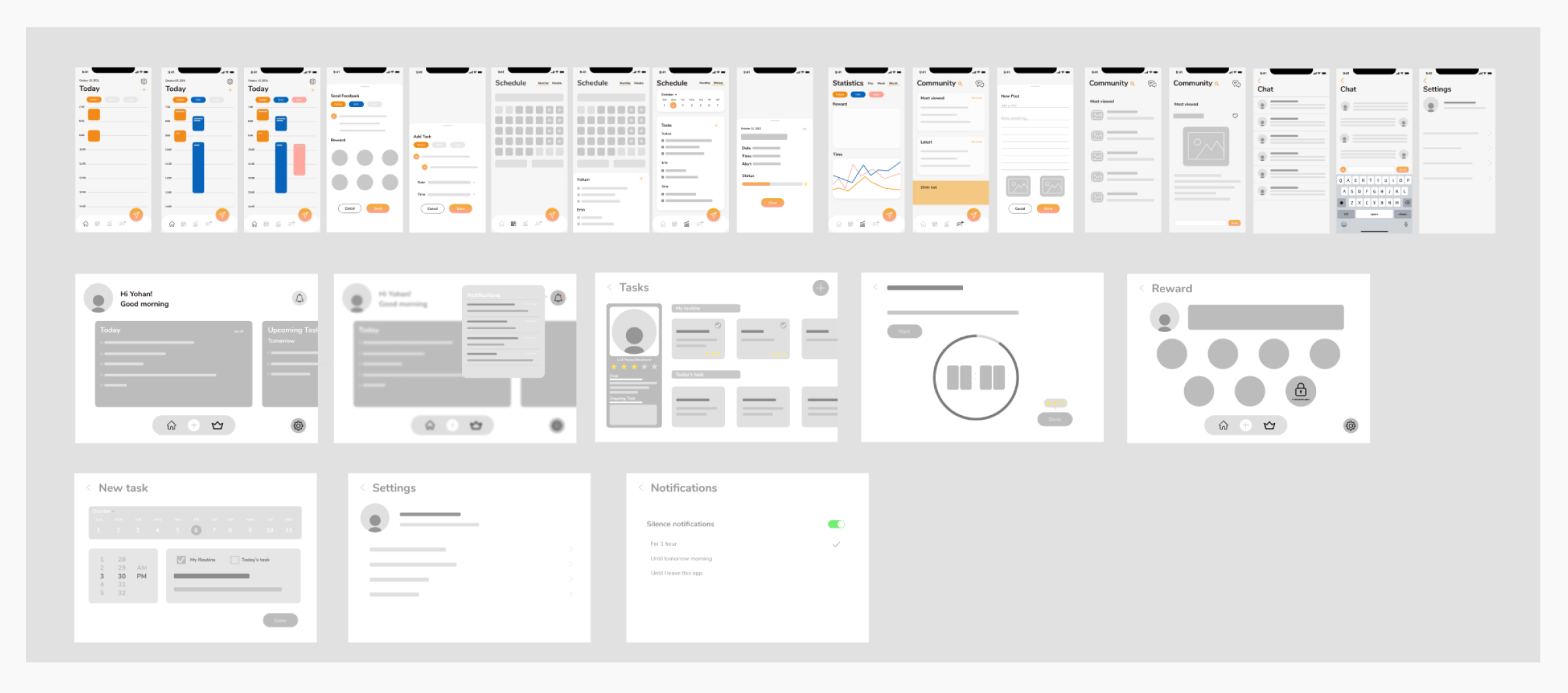
We started making a wireframe with low-fidelity in Figma based on sketches to prototype.

High Fidelity Design

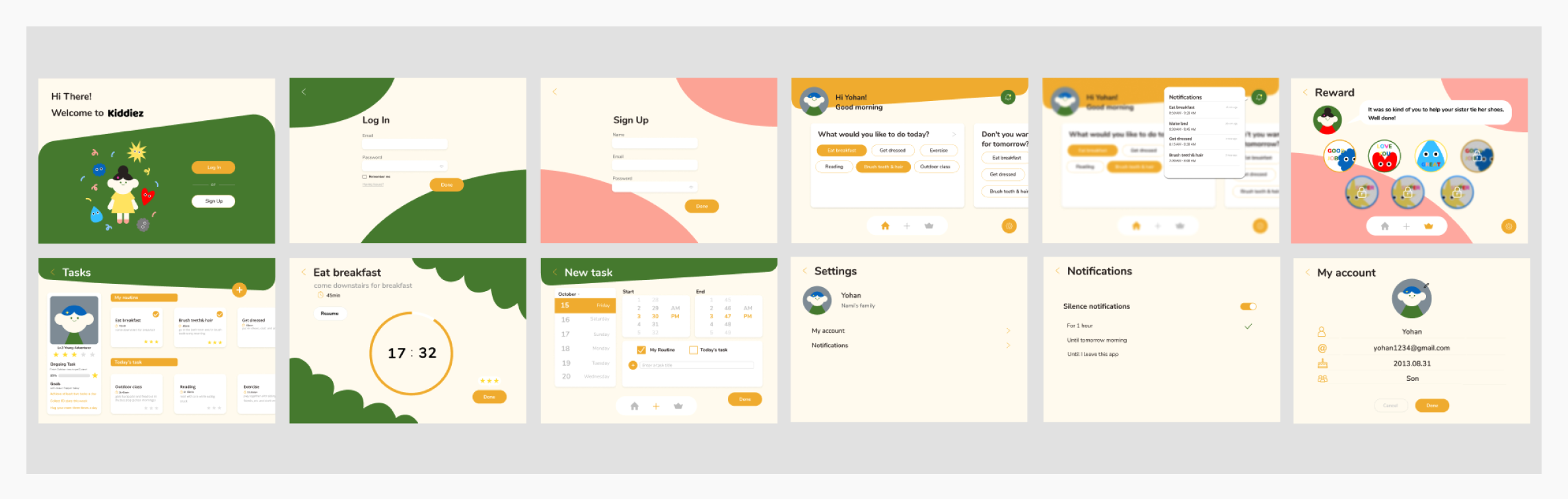
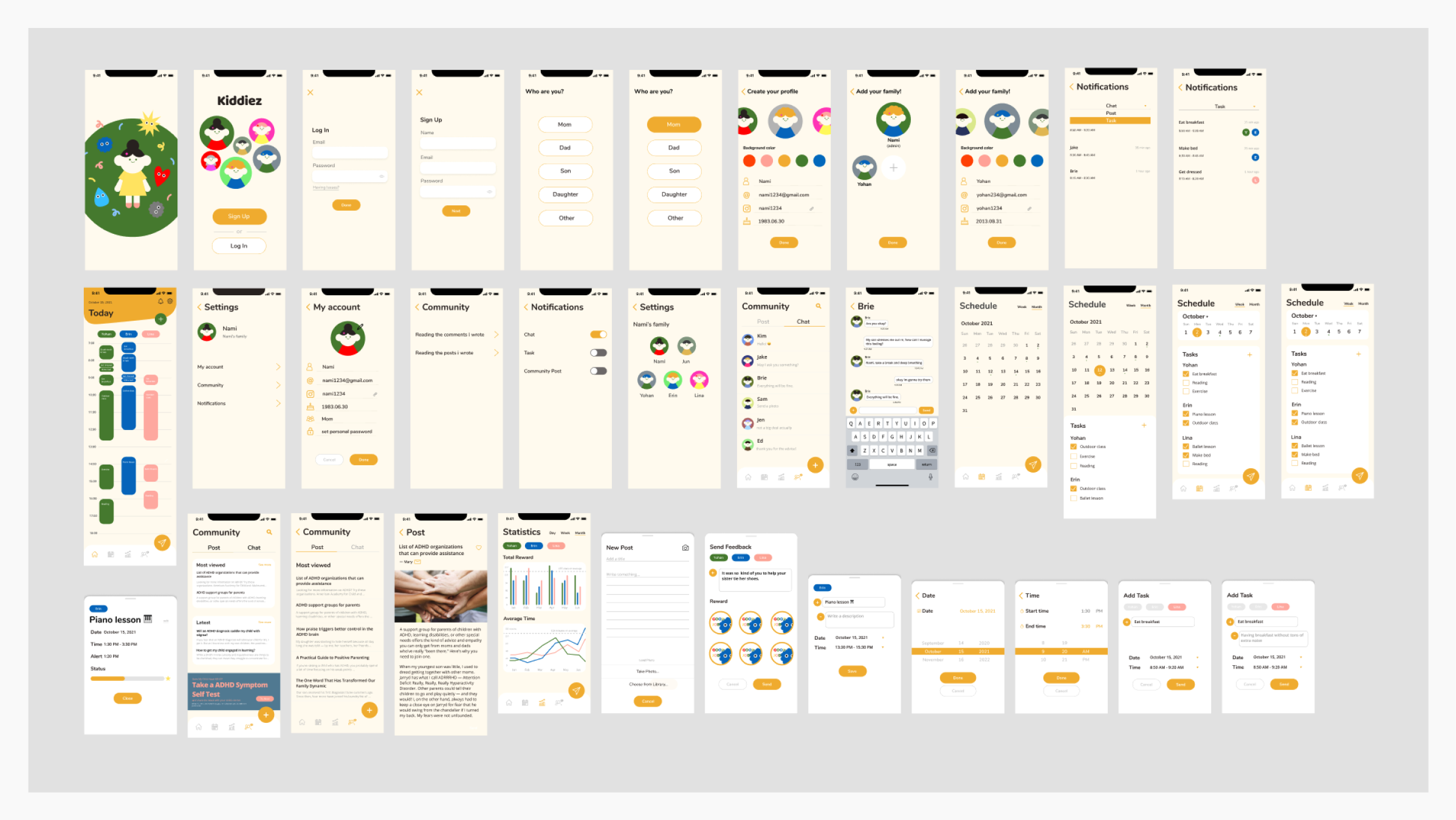
Based on low-fidelity wireframes, we created high-fidelity design of our tablet and mobile apps in Figma.

  • For Kids
  • For Parents

Wireflow / Prototype

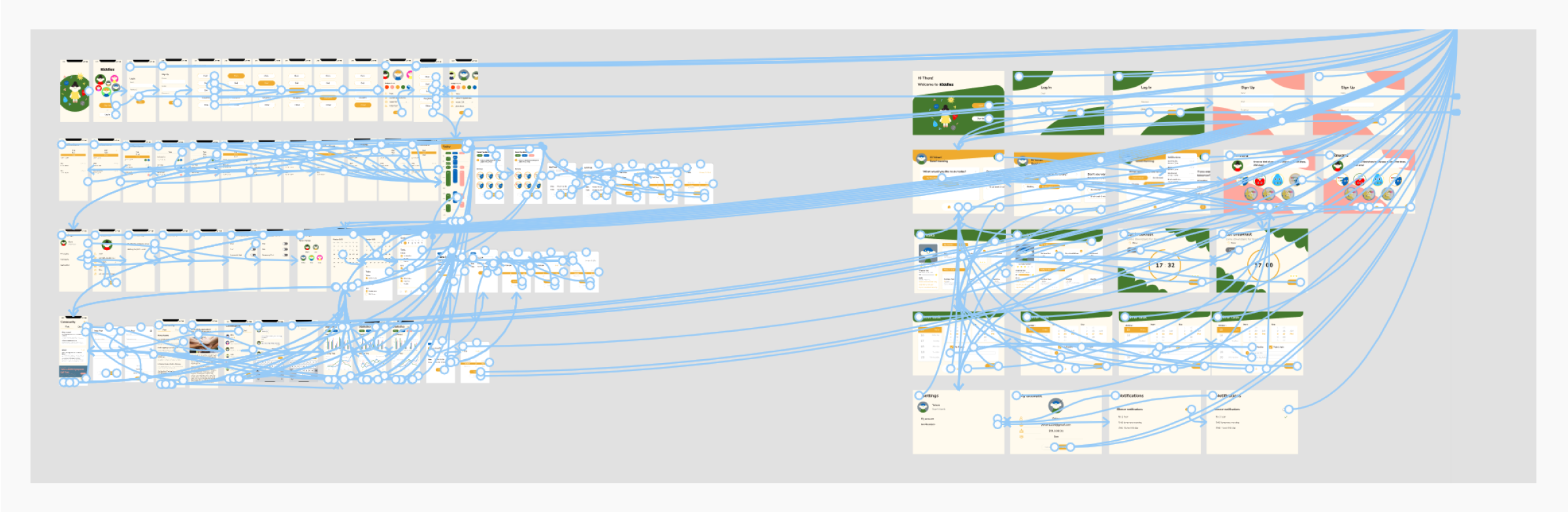
We connected the whole pages of our apps and added interactions to prototype perfectly.

Style guide

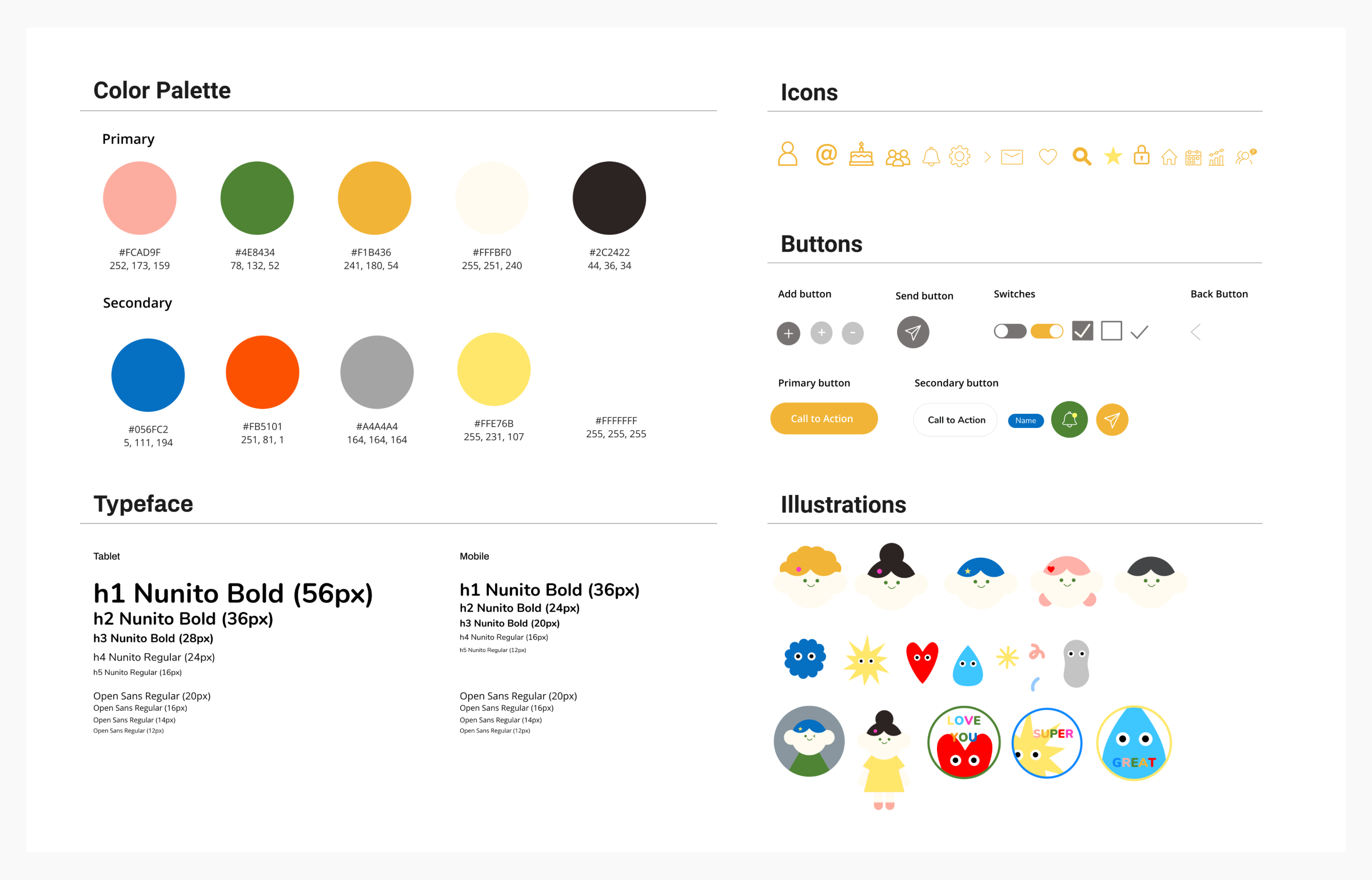
We illustrated some characters that would be suitable to our users and created some a whole style guide system for the UI.

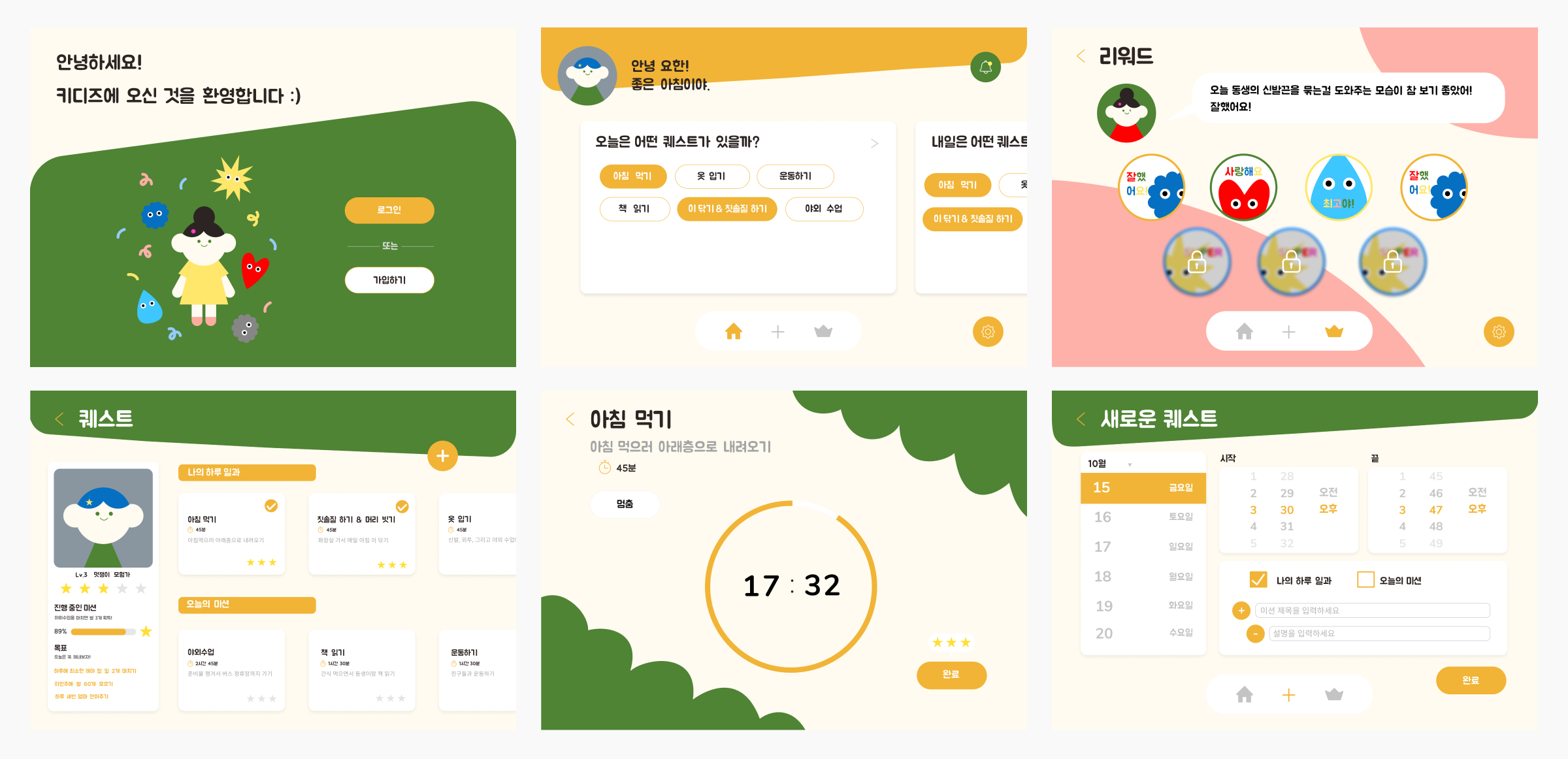
Korean Version

We created our tablet app in Korean for linguistic diversity and also for an usability testing with 7 years old children who didn’t speak English well.

Usability Test

Focus Group Interview

We conducted in-person usability test at an elementary school in South Korea. five children participated this test and one of them was a girl. The goal was to test the general usability of the feature to seven years old children and spot any possible user pain points or get some more user insights to improve our product.

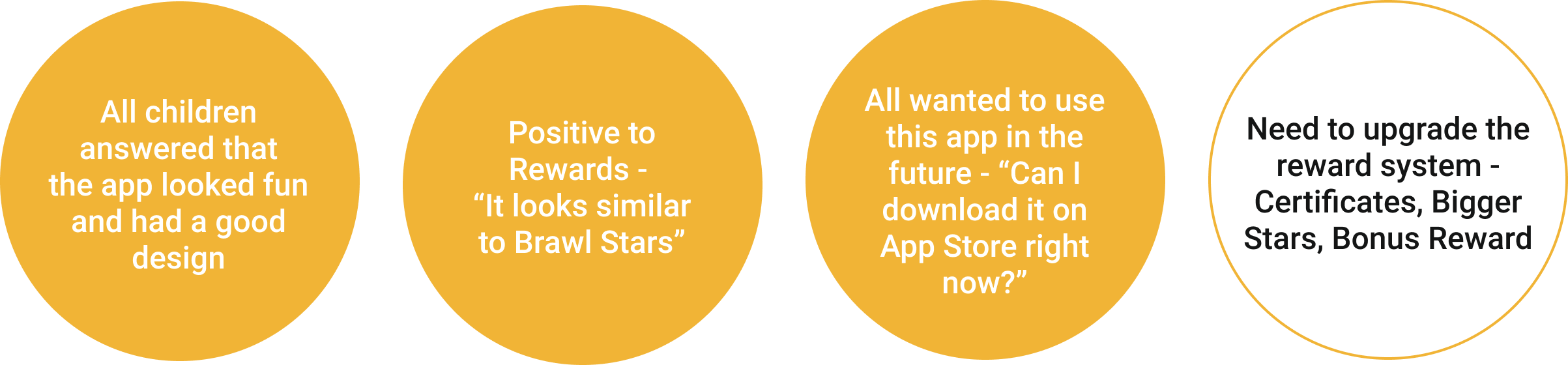
From the usability test, most of children liked the app because it looks fun and similar to some games. All children also seemed to be positive and get used to our reward system. They suggested us some improvements of reward systems. Therefore, we can infer that this app is favorable to our target users and we should improve our reward system more focused on our user needs.

Motion Design

Launch Screen Design

Launch screen is the very first thing our users will see when they open up our apps. We designed this screens interactive to give a good impression to users.

Mobile

Tablet

Reflection

What I Learned

What I learned while working on this project is the importance of various interviews and usability testing. I learned how to interact with users to understand what they need and what they really want. Doing research on ADHD and interviewing children were quite complicated but totally worth it.

Next Step

In the future, we would like to do research more about neurodiversity and observe more kids with ADHD using our service. We also would keep iterating our solutions and designing the reward system more sophisticated to make a better product.

More Projects

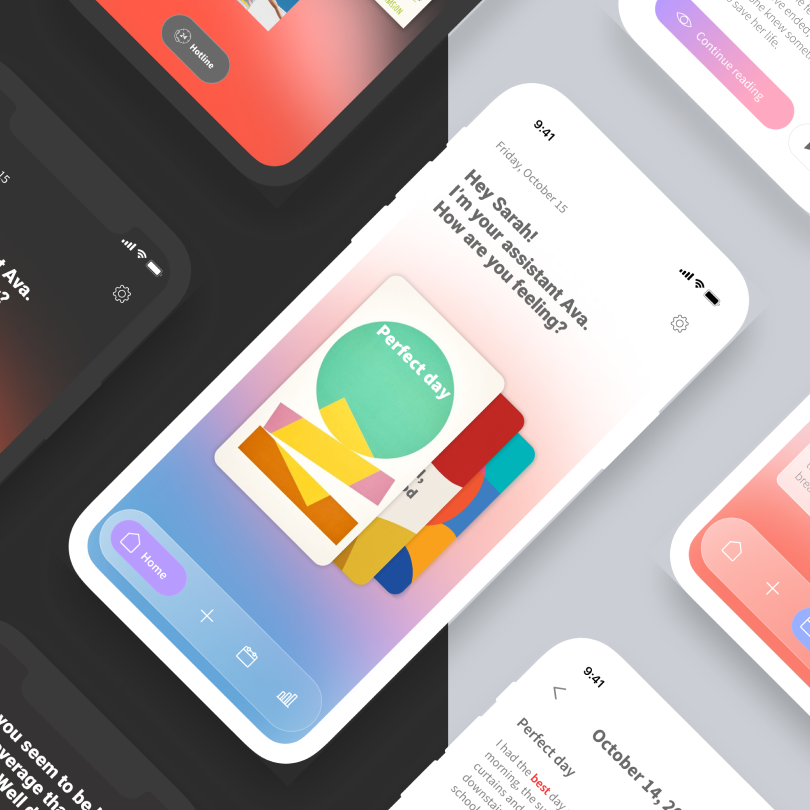
Mooday

Service Design

The Underdog Uprising

Data Analytics

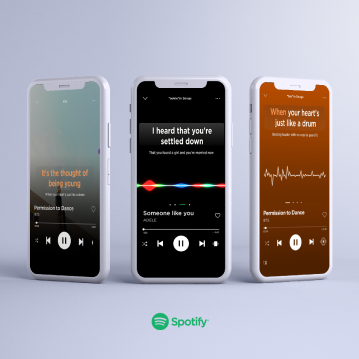
Spotify for the HOH

App Redesign

The Trevor Project

Web Responsive Design